Ecotourism for the Protection of Poison Dart Frogs in San Martín (Peru)
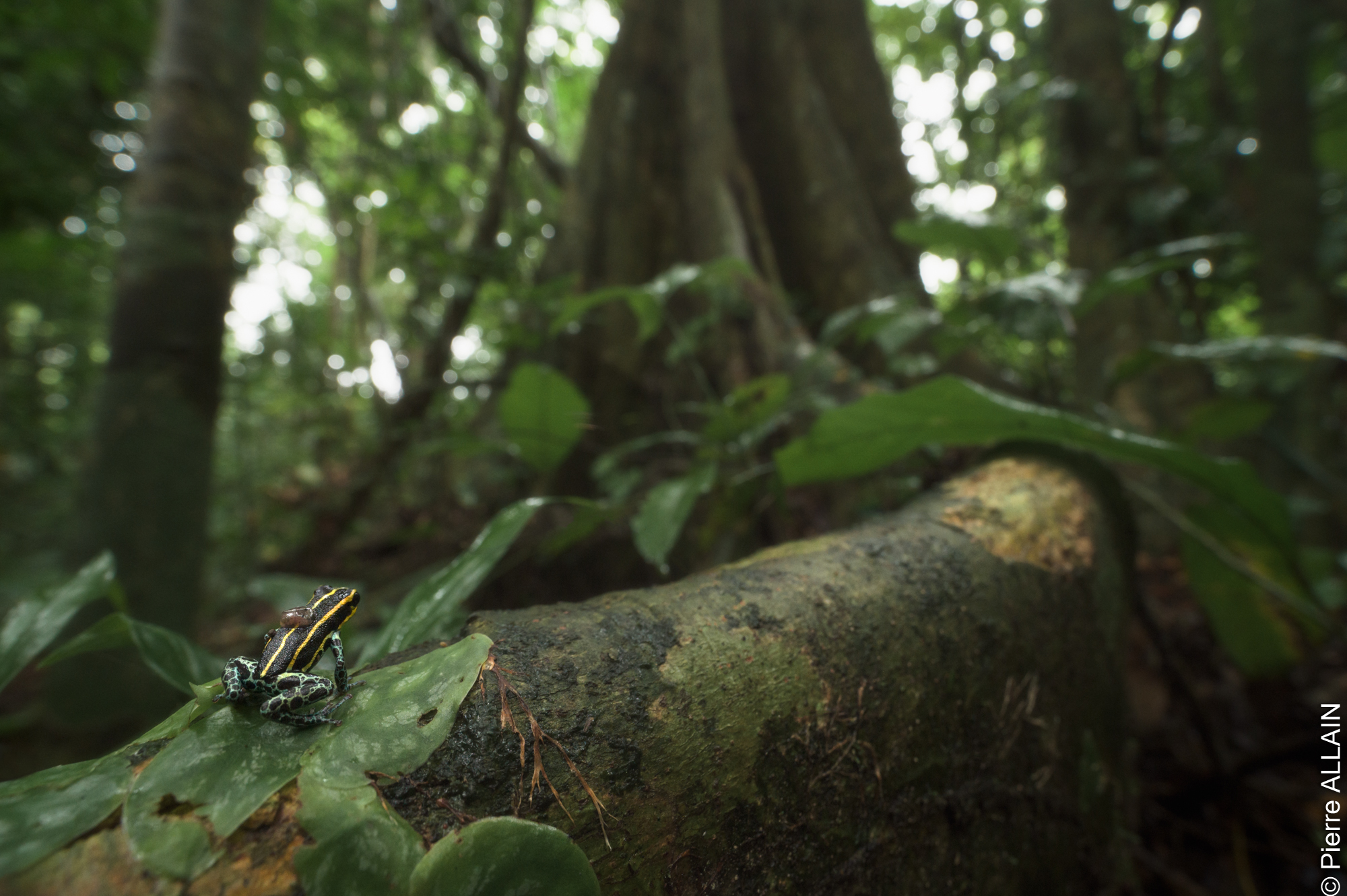
Every nature enthusiast is familiar with these tiny frogs of the Amazon, their vivid colors warning of their toxicity. But what is the true state of conservation of poison dart frogs in Peru’s San Martín region? Deep in the forest, I followed a passionate local guide to uncover the reality of their fragile protection.
My arrival in San Martin
At the height of the rainy season, in March, I travel to the department of San Martín in Peru, a region that harbors exceptional biodiversity. This territory lies between the Amazon basin, locally known as the Selva Baja, and the first foothills of the Andes, called the Selva Alta. This combination of ecosystems creates a variety of landscapes that supports the flourishing of remarkable endemic wildlife.
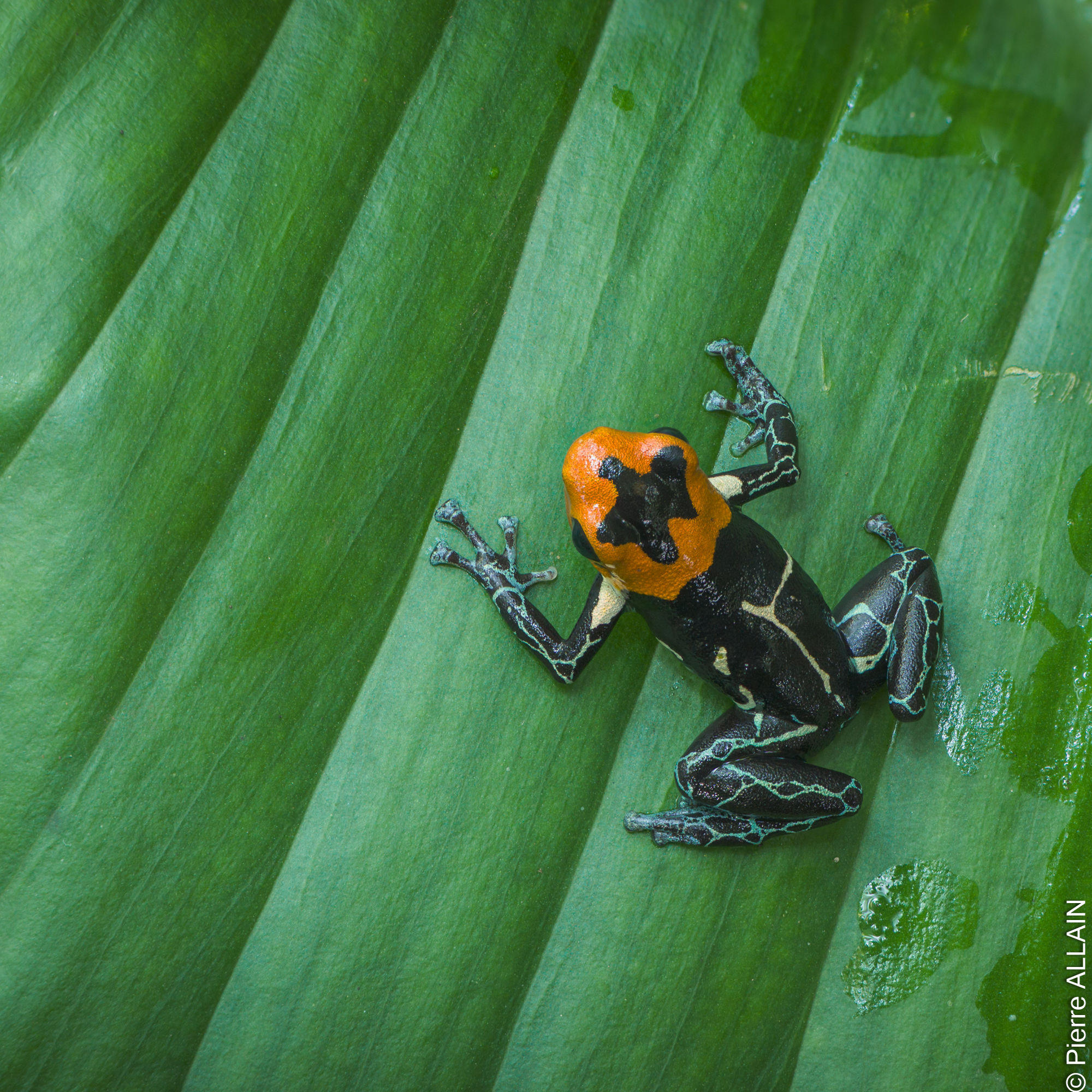
The high humidity, shifting altitudes, and abundant, diverse vegetation foster an extraordinary richness of species, particularly frogs. Among them are the poison dart frogs of the genera Ranitomeya and Ameerega, toxic species with spectacular colors are now under threat, mainly from human activity. Some species, such as Ranitomeya Fantastica, once declared extinct, have been rediscovered, yet their survival remains uncertain (figure 1).
It is alongside Warren Perrez, a guide and defender of local wildlife, that I set out on a four-day journey in search of these amphibians. His approach to tourism is rooted in education and the sharing of knowledge with local communities, as part of an active conservation initiative.
My Experience in San Martín
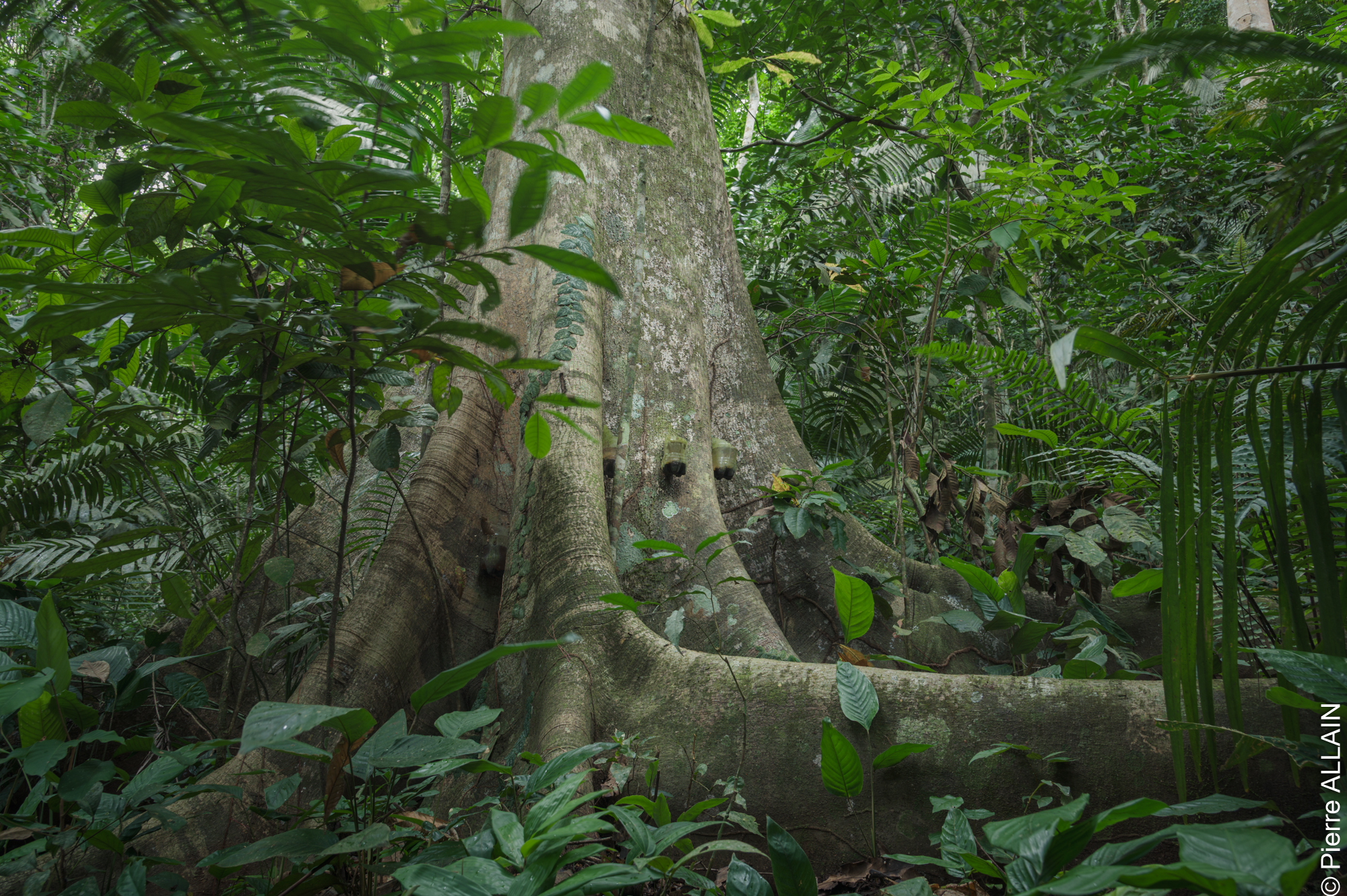
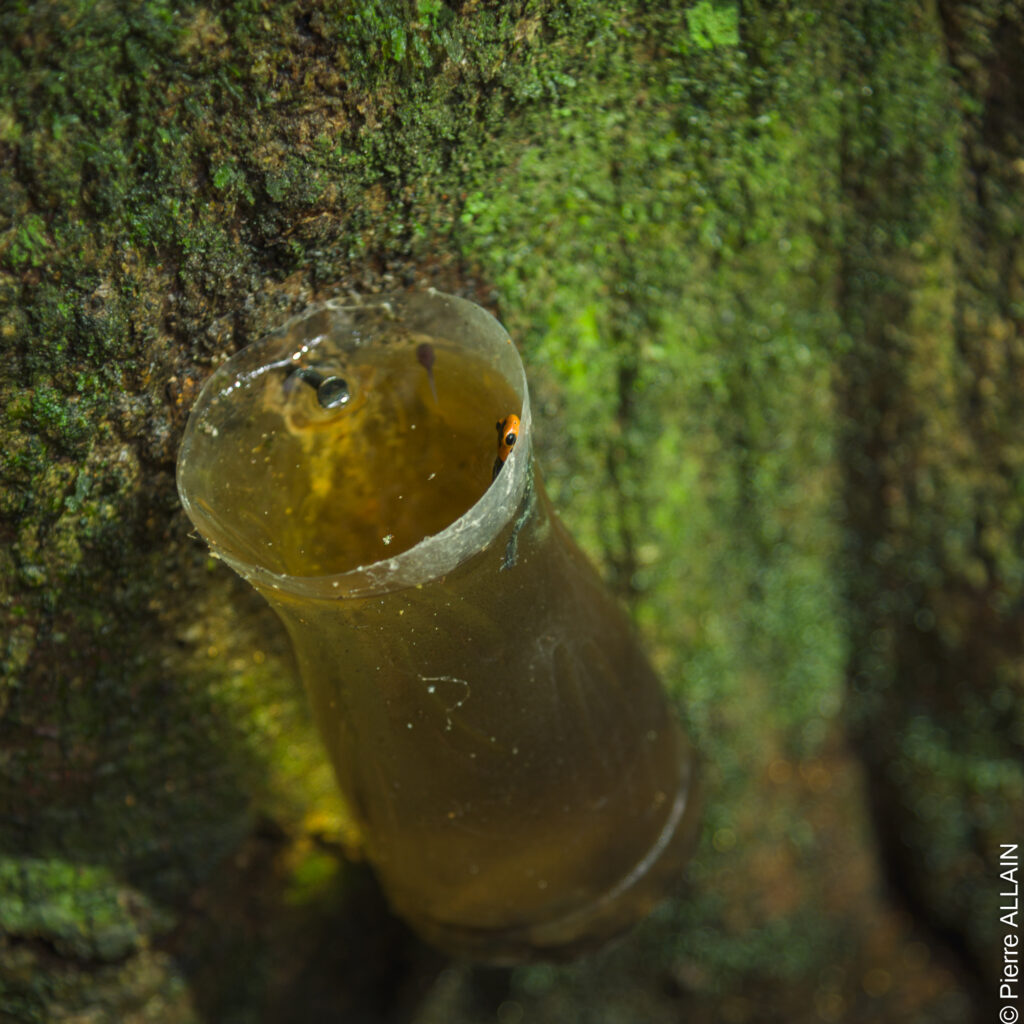
It is five o’clock in the morning when we set out toward Shapaja and Chazuta to visit the first nature reserve. During the journey, I have the chance to get to know Warren better, as he shares anecdotes about the region as well as information on the species we are about to observe. Ranitomeya and Ameerega are endemic to the San Martín region and are known for their bright colors, which serve as a warning of their toxicity (the potency of the skin secretions varies by species). These small frogs, measuring only 20 to 40 mm, thrive in humid tropical environments and hide within the dense vegetation. They use phytotelmata (small pools of water that form at the base of certain leaves) as breeding sites. An exemple of artificial phytotelmata.
Despite their tiny size, they play an essential role in maintaining the balance of their ecosystem. Their diet consists of midges found on fungi, as well as ants, mites, and other small insects. In turn, these amphibians are prey for larger animals, such as snakes and birds, placing them at the very heart of the food chain. Regulation also takes place at the tadpole stage: they are vulnerable to predators such as dragonfly larvae, and may even consume each other.
They are also excellent biological indicators: amphibians respond quickly to habitat changes, pollution, and microclimatic shifts. Their presence, or absence, offers a clear reflection of the conservation status of tropical rainforests.
We make a stop by canoe on the Huallaga River, where I take in a spectacular view of the mountains, their peaks vanishing into the clouds. We land on a small “beach” and then enter the reserve, surrounded by lush tropical vegetation. The light is almost nonexistent, filtered through a dense canopy. After a few minutes, we reach the first observation site. There, we manage to spot a Ranitomeya Imitator (Huallaga Rapids), but a sudden downpour quickly interrupts our observation. Still, I have time to notice the plastic bottles placed to recreate artificial phytotelmata.
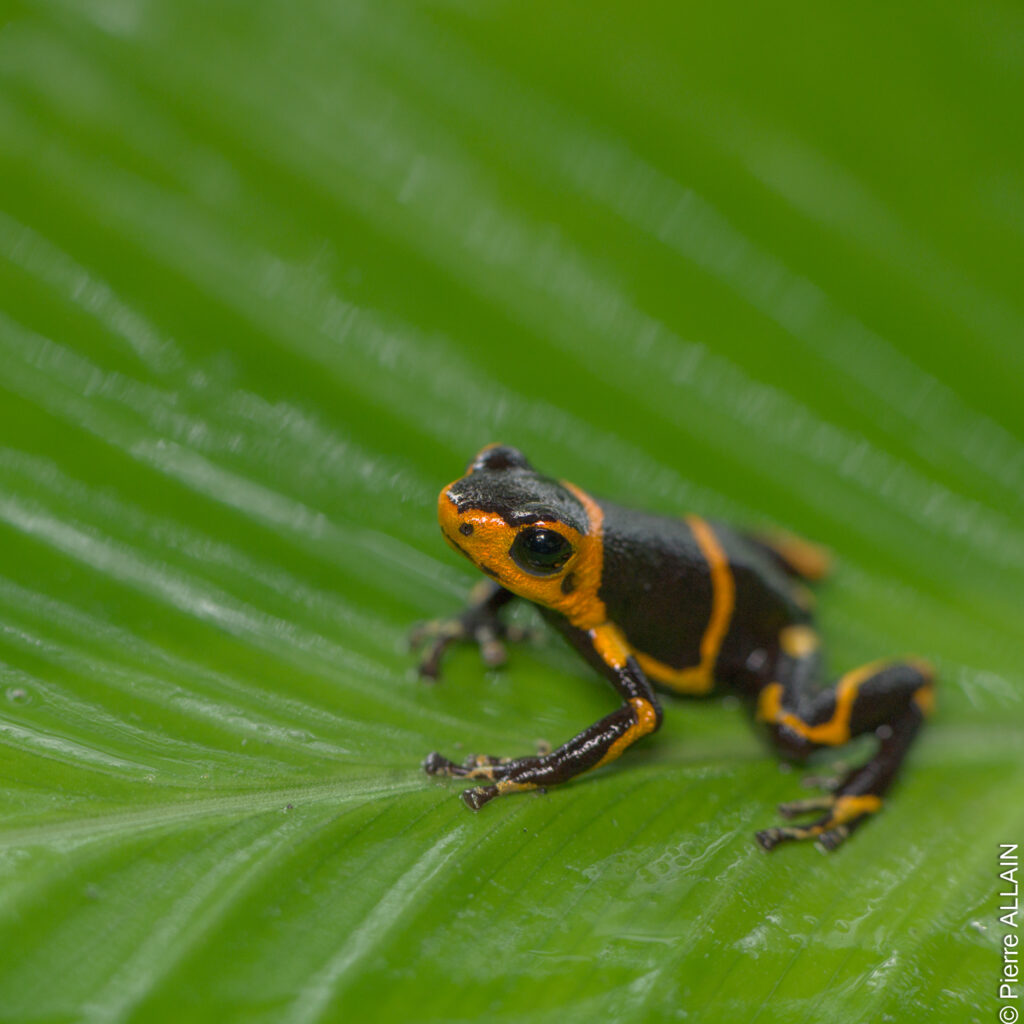
We decide to move on to find shelter. After only a few hours in the jungle, I already realize that here, it is nature that sets the pace. Once the rain stops, the frogs’ concert begins anew: the only option is to rely on Warren’s ear to identify the call of the Ranitomeya. In the afternoon, we head toward Yurimaguas, in the Loreto region.
On the second day, Warren’s eyes light up as he tells me that we are setting out in search of Ranitomeya fantastica, a poison frog once declared extinct but recently observed again in the region. Along the way, we discuss the threats weighing on these species. According to the IUCN (International Union for Conservation of Nature), several dendrobatid frogs are listed as endangered (for example,Ranitomeya Fantastica (Butterfly Head))
Causes of their disappearances
He explains that the frogs’ restricted range, combined with human activity, accounts for the decline in their populations:
- Deforestation: Oil palm monocultures destroy the forest and destabilize biodiversity by imposing the presence of a single plant. Ground vegetation disappears, and with it the phytotelmata essential for dendrobatids. Illegal logging and agricultural expansion, which heavily affect the region, only worsen the situation.
- Illegal trade: Some rare species are captured and sold on the black market for exotic pets a phenomenon difficult to quantify but undeniably real.
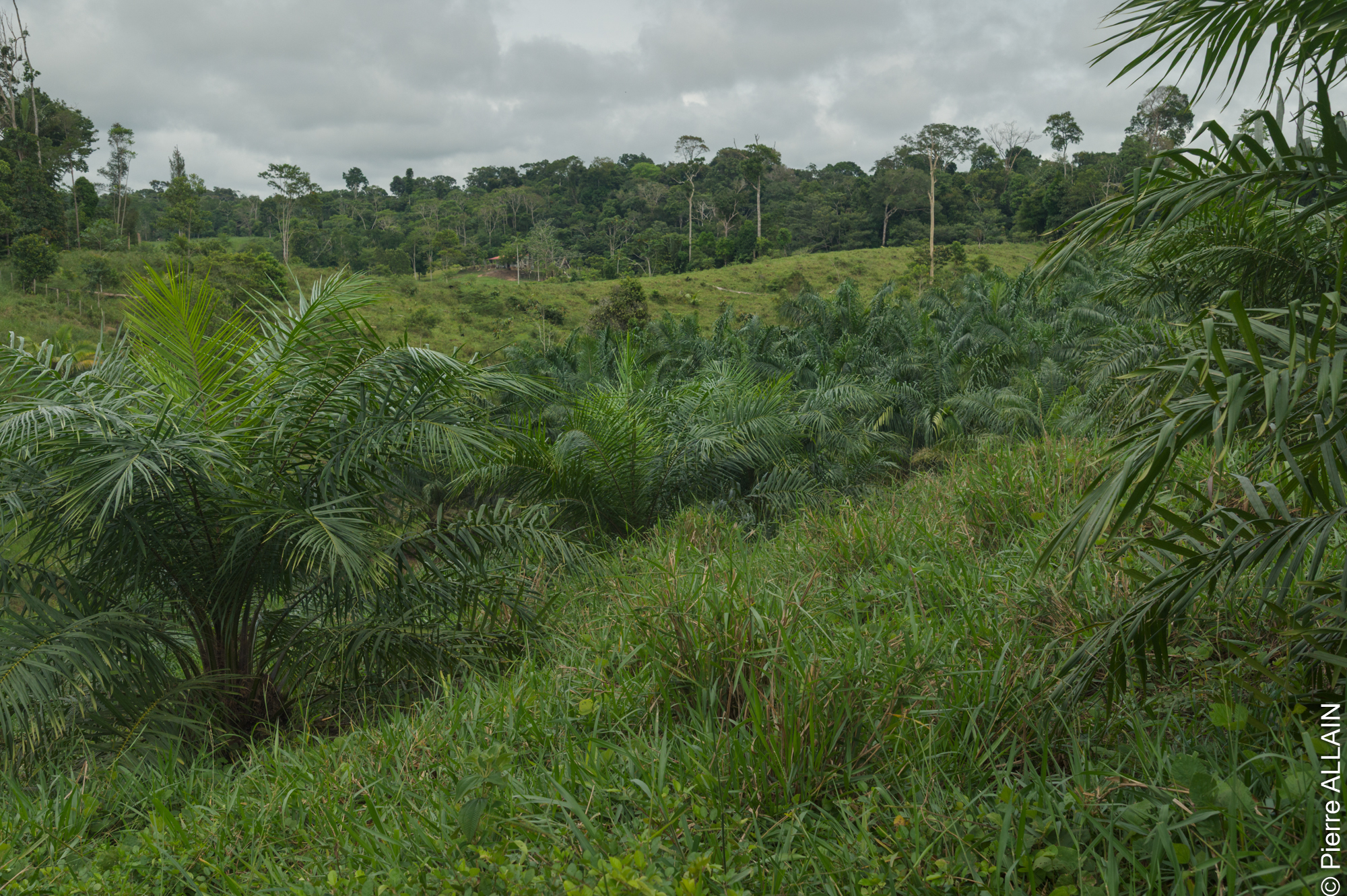
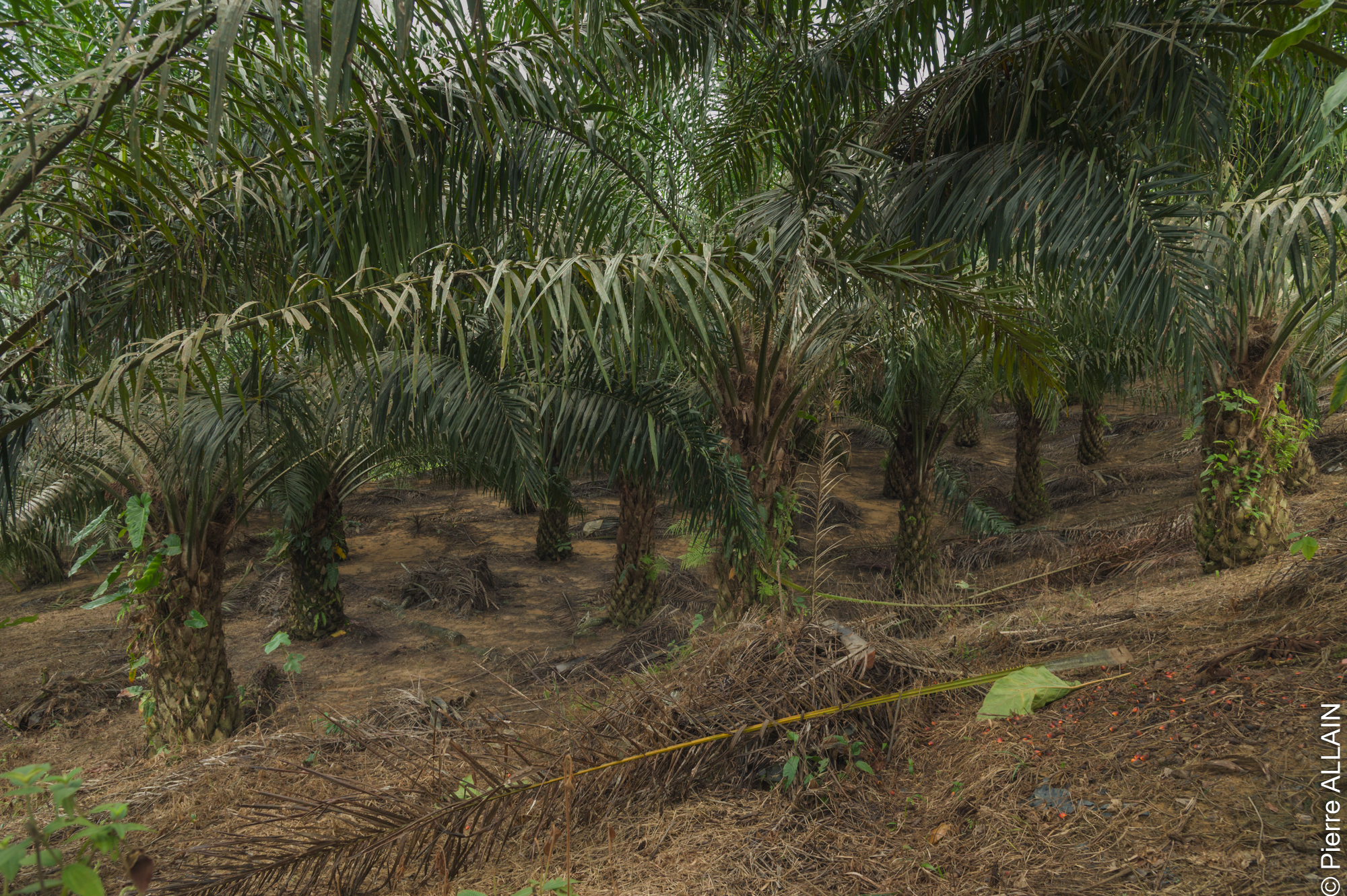
Soon after, we pass by oil palm plantations, monotonous and depleted. Yet just a few hundred meters further, a stretch of untouched jungle reveals, by contrast, an explosion of life, a striking opposition to the monocultures. It is also here that I discover another face of the tropical forest: mosquitoes, driven mad by the rainy season, swarming around us by the dozens.
Our observations
We are fortunate to observe several specimens: Ranitomeya Fantastica (Nominal) and Ranitomeya Imitator (Lowland Morph). I learn that the males carry tadpoles on their backs to move them to other phytotelmata, thus increasing their chances of survival. We then continue on our way toward Tarapoto, with a stop dedicated to the Ranitomeya Fantastica (Butterfly Head), recognizable by the striking butterfly-shaped marking on its head.
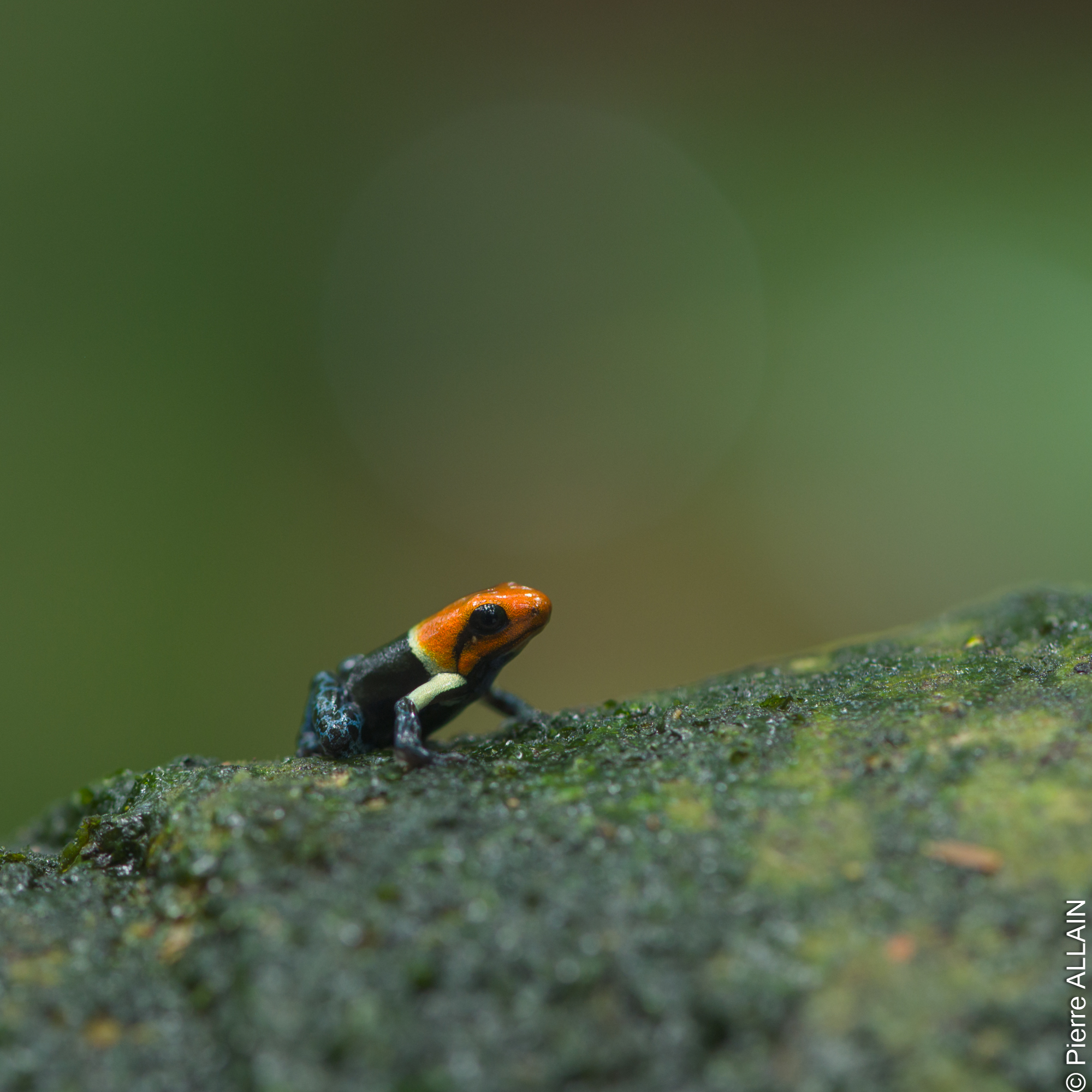
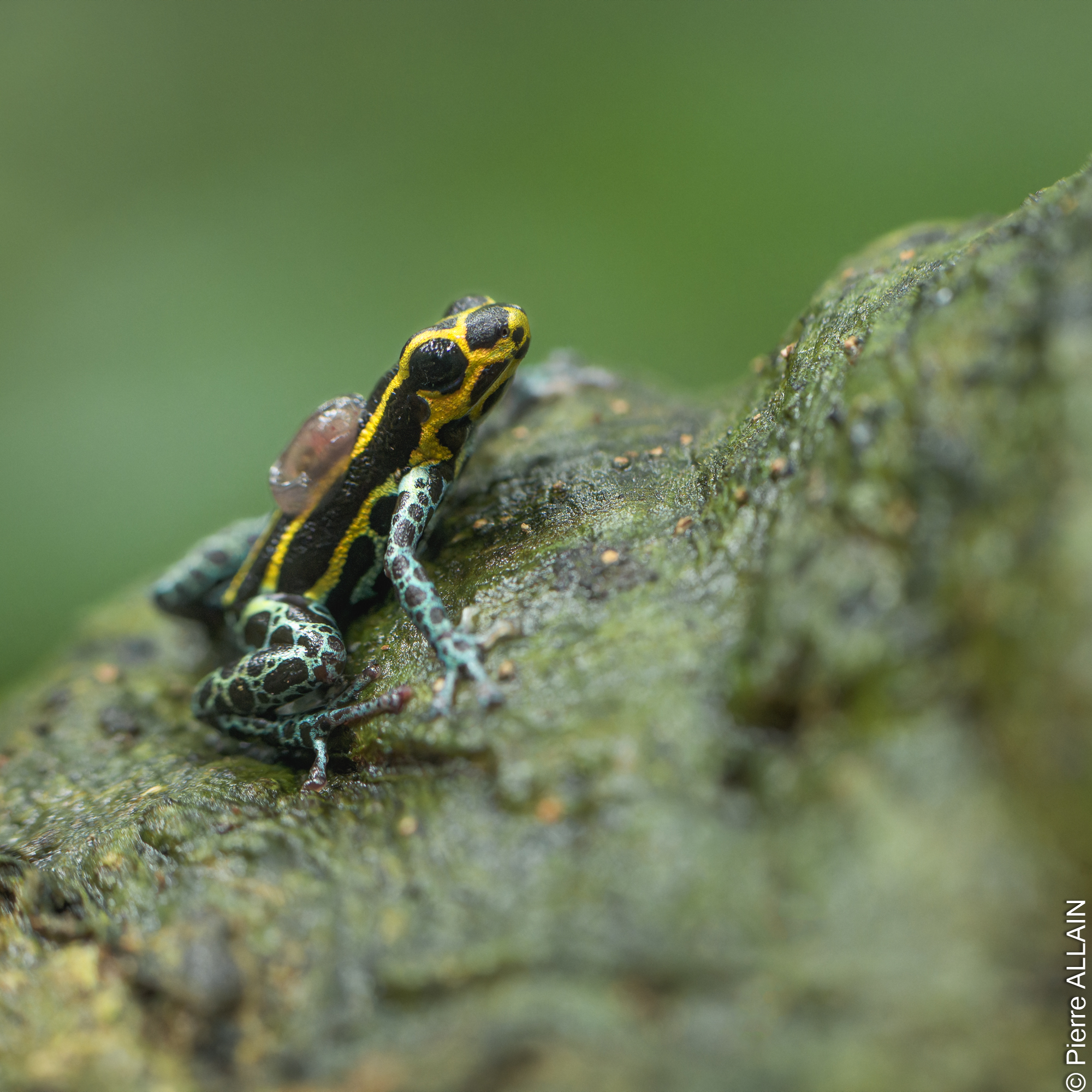
A demanding program awaits us on the third day: we head to the Alto Shilcayo reserve. There, we observe three morphs of Ranitomeya Imitator (Tarapoto Morph), Ranitomeya Summersi (White Banded and Nominal), as well as our first Ameerega Bassleri (Nominal).
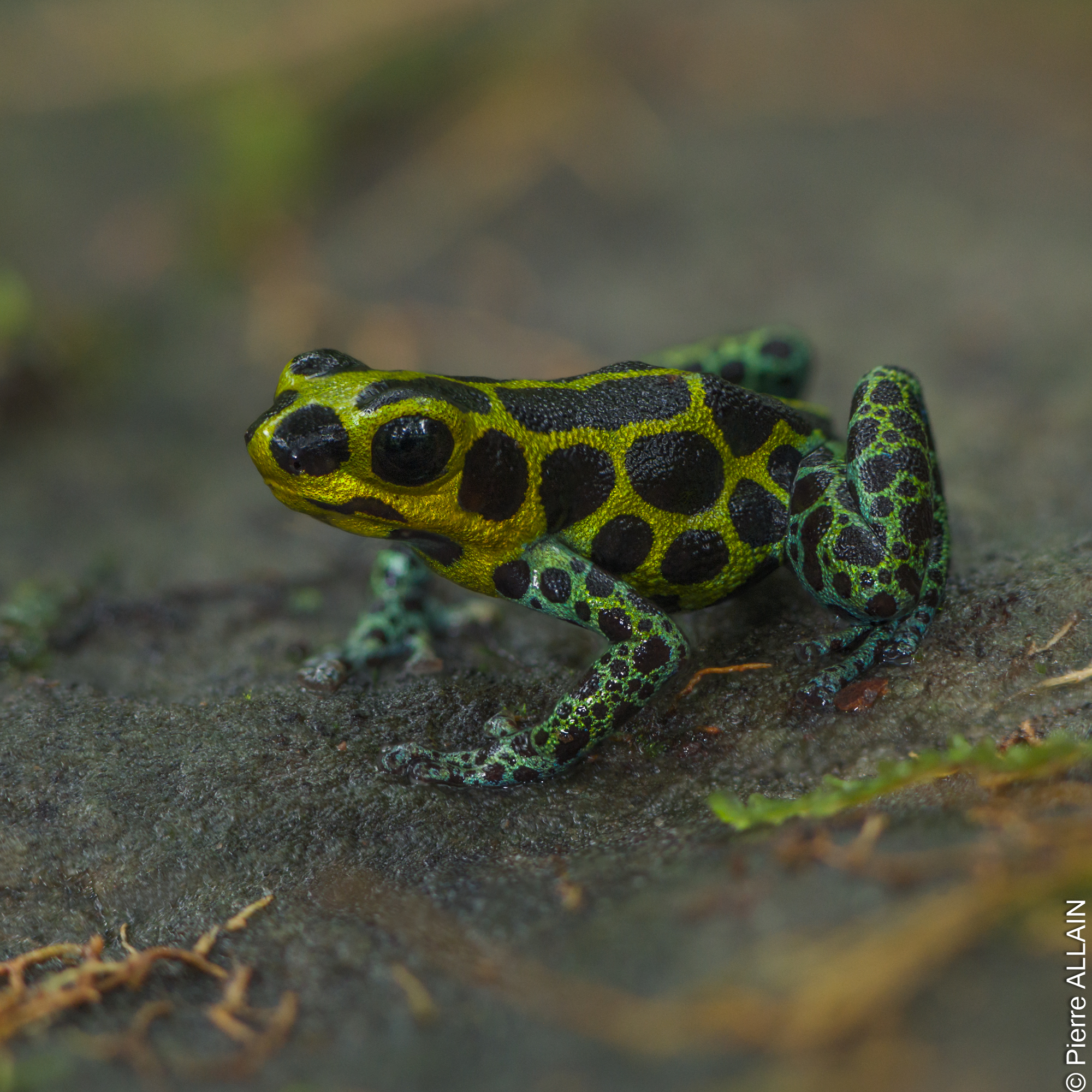
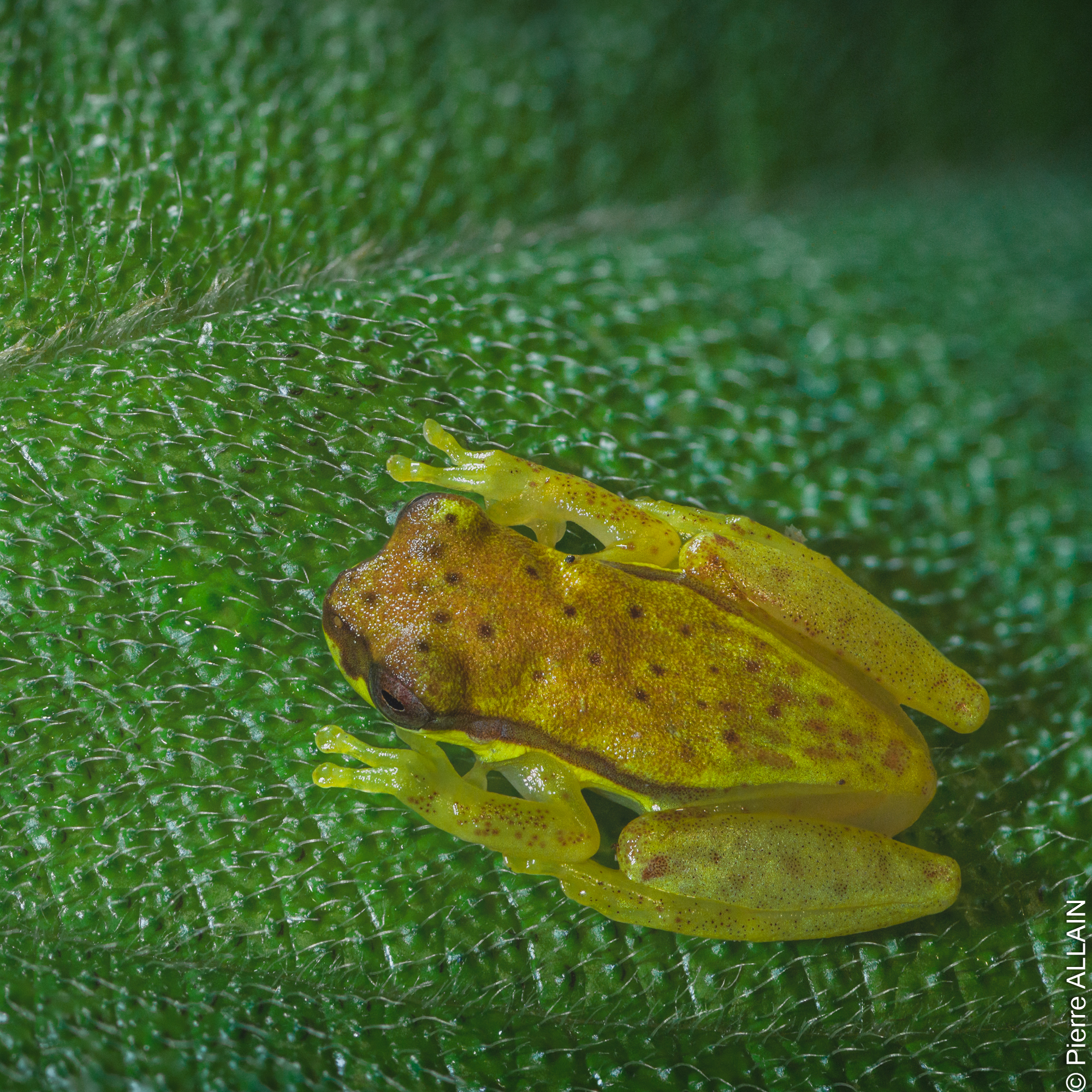
In the evening, Warren has planned a night outing in search of Dendropsophus. I have the opportunity to photograph three species: Dendropsophus Rhodopeplus, Dendropsophus Sarayacuensis, and Dendropsophus Minutus. These frogs spend the day in the trees and descend to the ground at night to feed.
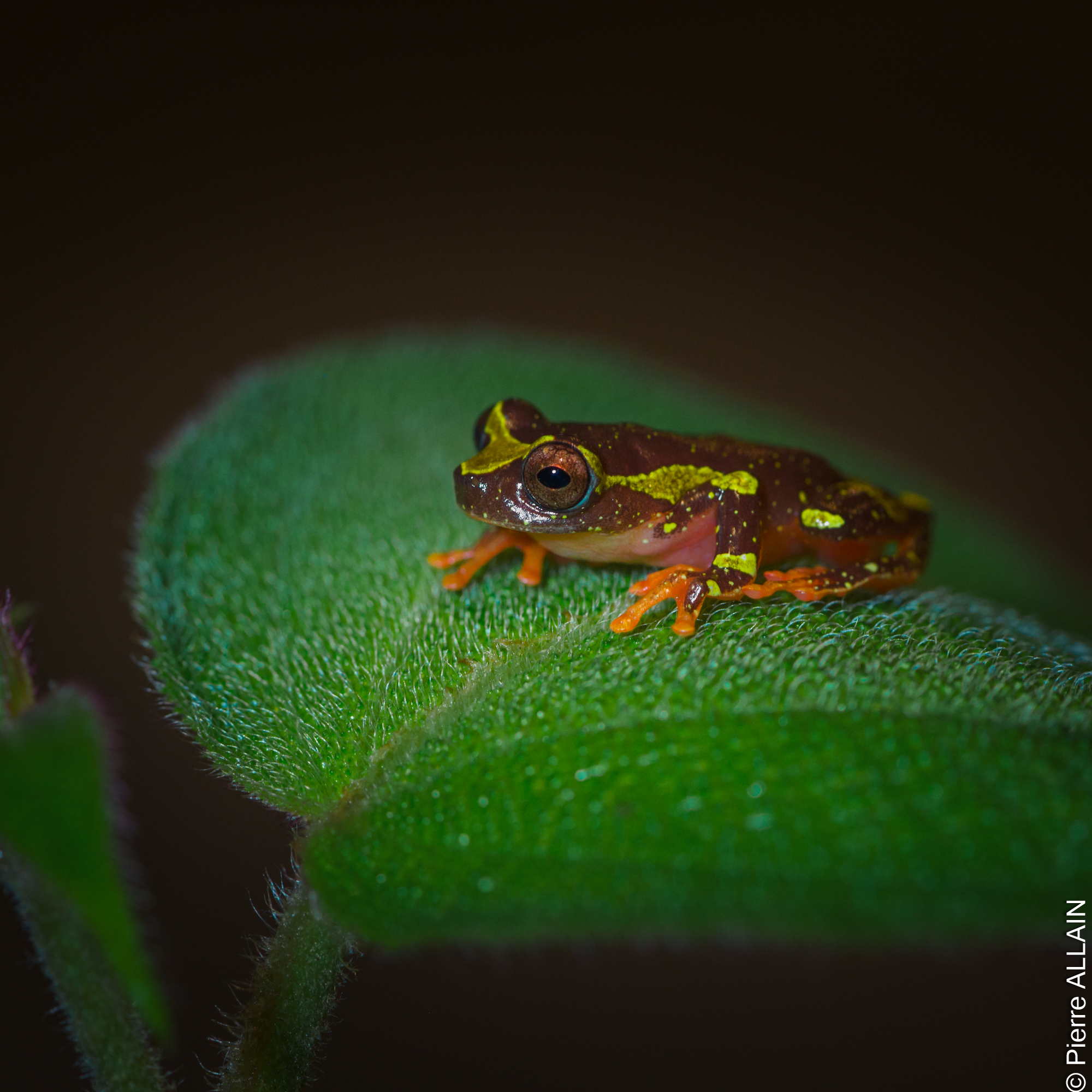
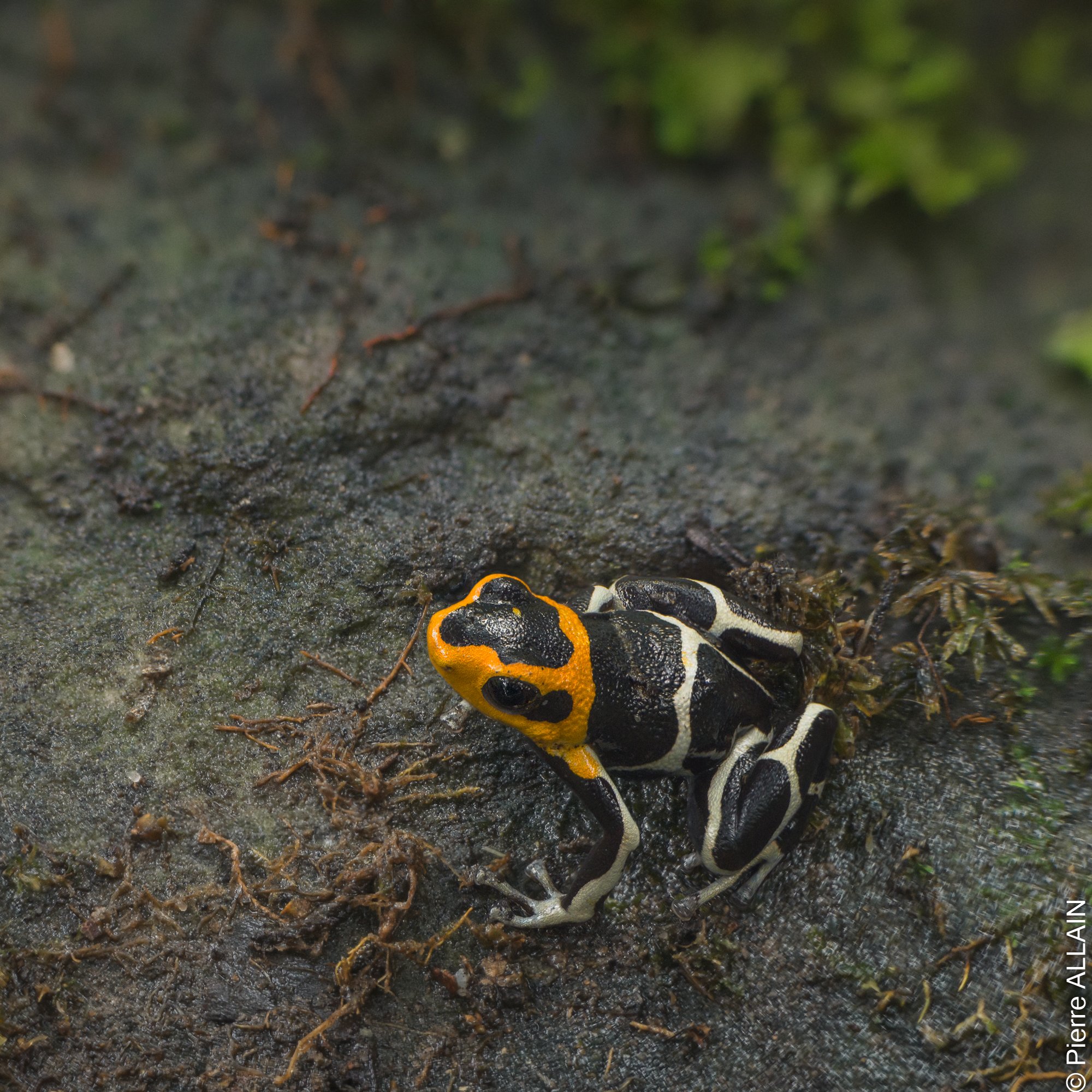
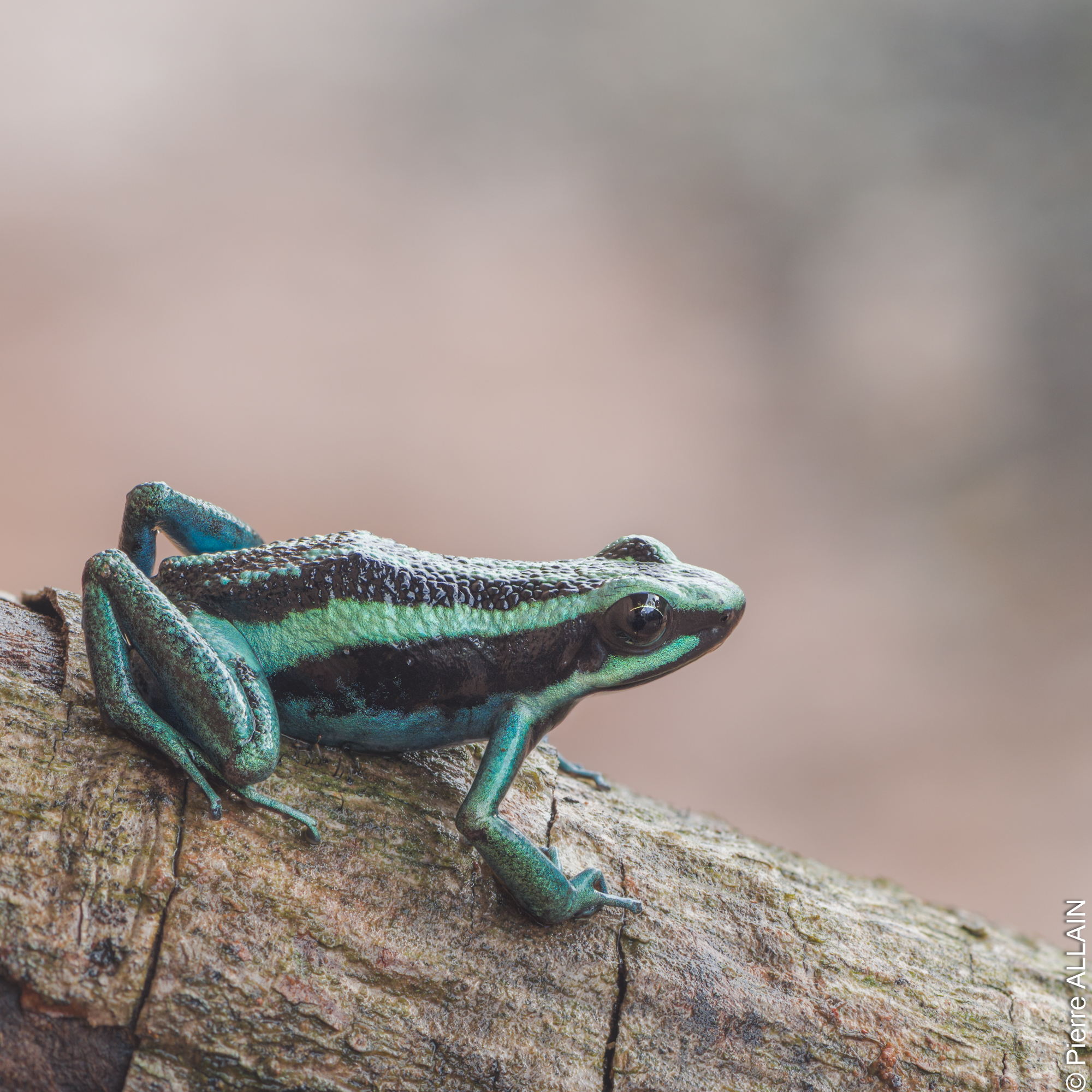
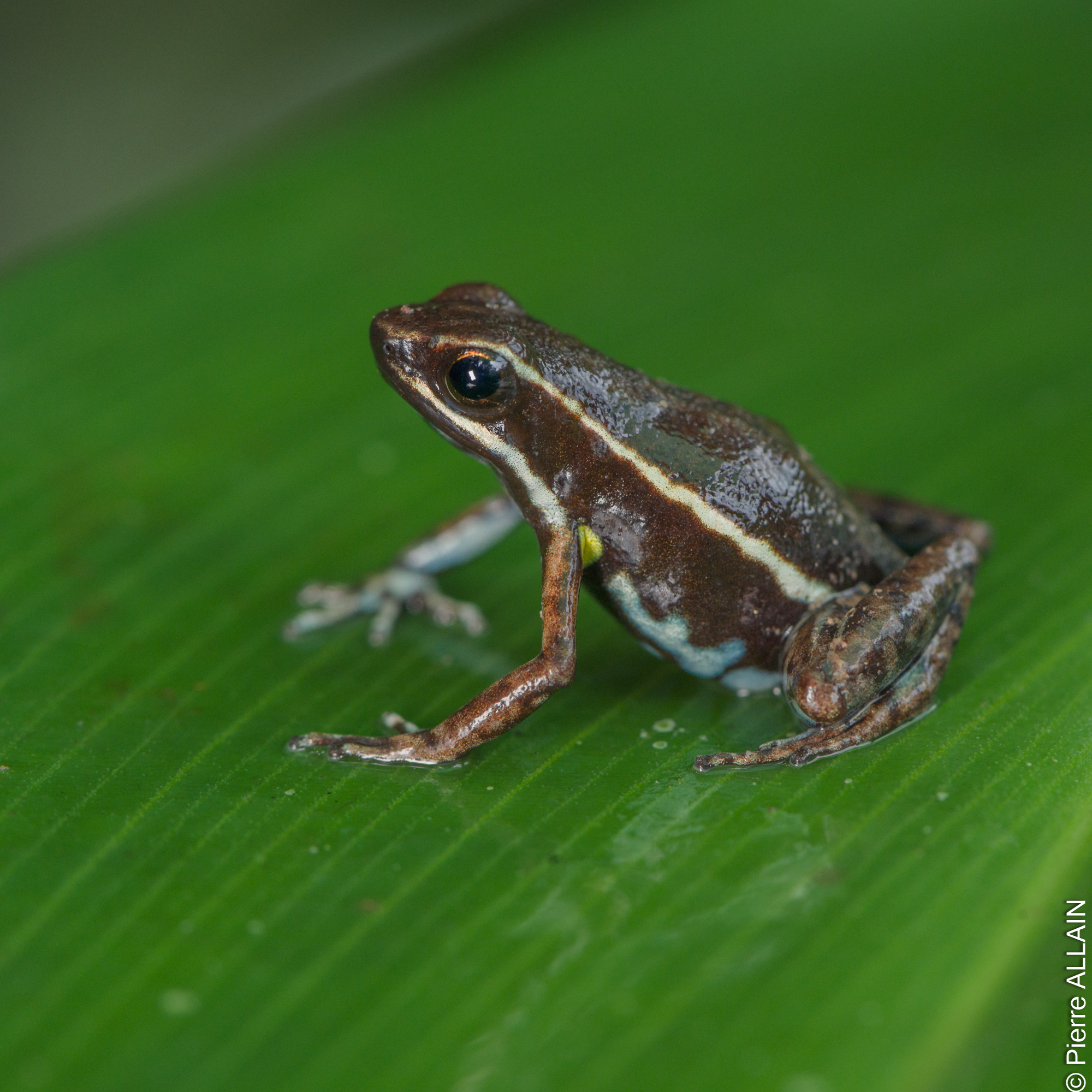
On the last day, we visit a local community and meet a family that had reported the presence of a particular species: Ameerega Bassleri Chrome. On their land, and with their help, we manage to find it, along with a second species: Ameerega Altamazonica.
Continue the exploration, I’m offering a field note about my visit to the waterfalls of the San Martín region in PDF format through my newsletter.